
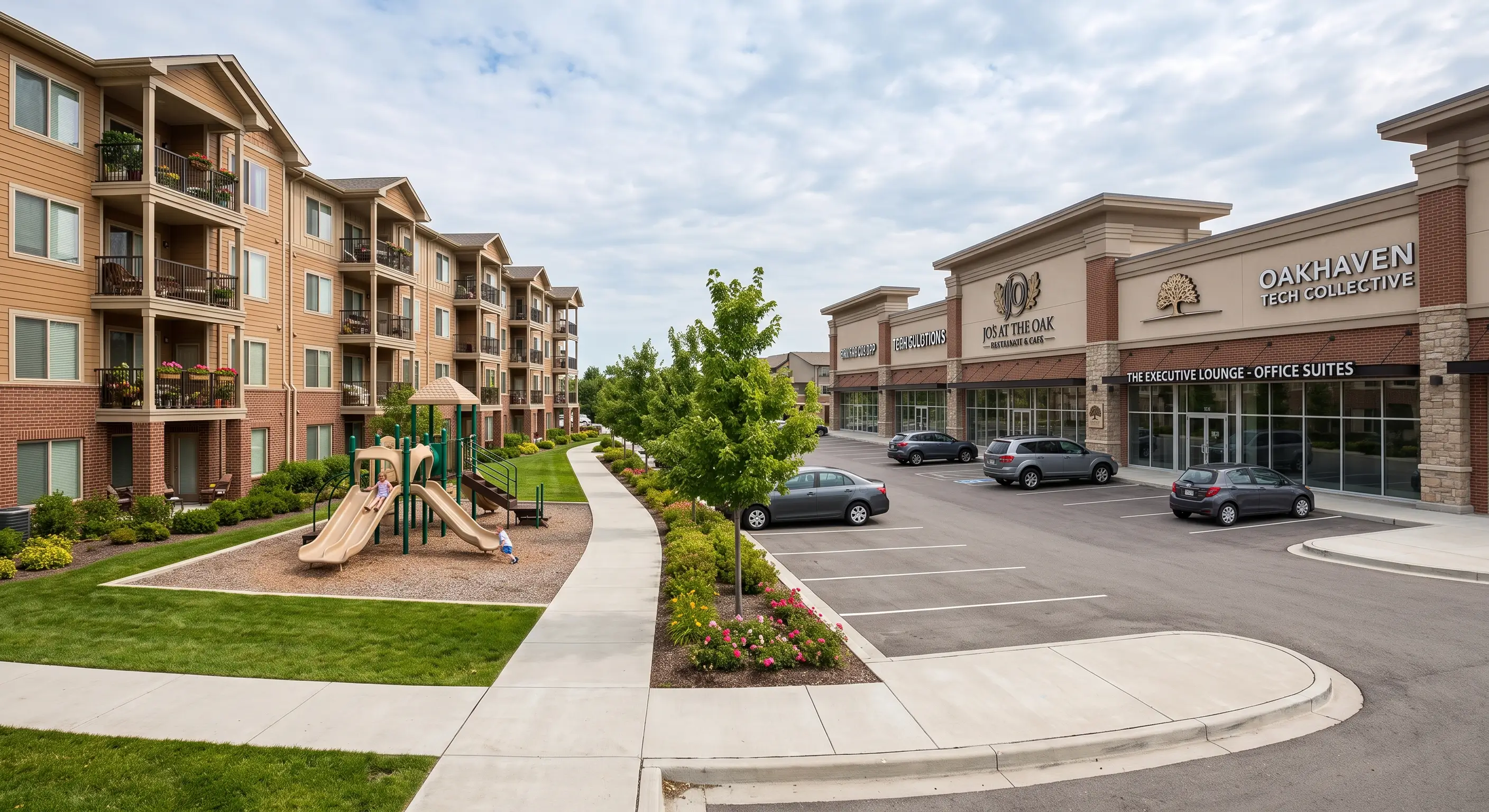
A leaky faucet and a lapsed commercial lease might both land on your desk, but they don't belong in the same playbook. Owning property in Jacksonville, NC means juggling very different challenges depending on the type of property you own, and treating a rental home and a commercial space the same way is a fast track to costly mistakes. Many property owners assume residential and commercial management run on the same rules. They don't. From how leases are negotiated to how maintenance gets handled to how the books get balanced, the two paths diverge in almost every direction.
Knowing exactly where they diverge isn't just useful information; it's what separates property owners who protect their investment from those who scramble to catch up. Managing a single-family rental or a busy commercial building each comes with its own demands, and understanding these differences can help you make sharper decisions, avoid costly surprises, and keep your property working for you instead of against you.
Key Takeaways
Residential leases are typically shorter and more standardized, while commercial leases are longer and highly negotiated.
Commercial properties often require specialized maintenance due to complex systems and larger square footage.
Financial reporting for commercial properties tends to be more detailed because of variable expenses like common area maintenance fees.
Local market knowledge in Jacksonville, NC, plays a major role in pricing and positioning both residential and commercial properties correctly.
Lease Structures and Tenant Relationships
One of the most noticeable differences between residential and commercial property management lies in the lease agreements themselves. Residential leases in Jacksonville typically run for six months to a year and follow a fairly standardized format. Tenants sign, move in, and the terms rarely change until renewal time.
Commercial leases, on the other hand, are far more complex. They often span three to ten years and include detailed negotiations around rent escalations, tenant improvements, and responsibility for taxes, insurance, and maintenance. Commercial tenants run businesses, so their lease terms are tailored to operational needs, whether that means build-out allowances or exclusivity clauses that prevent competitors from leasing nearby space.
Tenant relationships also differ. Residential tenants generally interact with property managers regarding day-to-day living concerns, while commercial tenants often require ongoing communication about business operations, foot traffic, and shared space usage. This means property managers handling commercial spaces need a deeper understanding of commercial law and business dynamics.
Maintenance and Property Upkeep
Maintenance needs vary significantly between the two property types. Residential properties usually involve routine tasks like HVAC servicing, plumbing repairs, and landscaping. These issues are typically isolated to a single unit or home and can be resolved fairly quickly.
Commercial properties, however, often include larger and more complex systems such as elevators, fire suppression systems, extensive parking lots, and shared HVAC units serving multiple tenants. A malfunction in a commercial building can disrupt several businesses at once, making prompt response times even more critical. Because commercial properties tend to be more expensive per repair and involve more moving parts, owners benefit from working with a team that understands the scale of these systems. Property owners who want their buildings to stay operational and appealing to tenants often rely on professional building upkeep services to handle both routine inspections and emergency repairs efficiently.
Financial Management and Reporting
Financial oversight looks different depending on the property type as well. Residential property owners generally deal with straightforward income and expense tracking, including rent collection, security deposits, and standard maintenance costs.
Commercial property owners face a more layered financial picture. Common area maintenance fees, percentage rent clauses, triple net lease structures, and varying expense responsibilities between landlord and tenant all add complexity to the books. Accurate and detailed reporting becomes essential for commercial owners who need to track multiple income streams and expense categories across different tenants and lease terms. This is why many commercial property owners turn to dedicated financial reporting tools to keep their books organized and ensure nothing slips through the cracks, especially when preparing for tax season or evaluating property performance.
Vacancy and Marketing Strategies
Filling vacancies also requires different approaches for residential and commercial properties. Residential vacancies in Jacksonville tend to fill faster since the pool of potential tenants is larger and the decision-making process is quicker. Marketing typically involves online listings, professional photography, and quick showings.
Commercial vacancies can sit empty for much longer periods. Business owners take more time to evaluate a space, considering factors like zoning, visibility, parking availability, and proximity to their target customer base. Marketing a commercial property often requires networking with brokers and offering incentives like reduced rent during the first few months of a lease.
Regulatory and Compliance Differences
Compliance requirements differ substantially between residential and commercial properties as well. Residential properties in North Carolina must adhere to landlord-tenant laws covering security deposits, habitability standards, and eviction procedures. These regulations are designed to protect individual tenants living in the space.
Commercial properties are subject to a different set of rules, often involving building codes tailored to business use, accessibility requirements under the Americans with Disabilities Act, and zoning laws. Staying compliant on the commercial side often requires more specialized legal knowledge, since violations can lead to costly fines for tenants.
FAQs
1. Is it more profitable to invest in residential or commercial property in Jacksonville?
Both can be profitable depending on your goals, risk tolerance, and available capital. Residential properties often provide steadier, smaller returns, while commercial properties can offer higher returns but come with longer vacancy periods and larger upfront investments.
2. Do residential and commercial properties require different types of insurance?
Yes. Commercial properties typically require more comprehensive coverage due to higher liability exposure, larger structures, and business-related risks that residential policies do not usually cover.
3. Can one property management company handle both residential and commercial properties?
Some companies manage both, but it requires a team with expertise in both areas since the leasing, maintenance, and compliance needs are quite different.
4. How long does it typically take to lease a commercial space in Jacksonville?
Commercial leasing timelines vary widely but often take several months longer than residential leasing due to the complexity of negotiations and tenant decision-making.
Partner with Innovative for Expert Management in Jacksonville, NC
Whether you own a residential rental, a commercial building, or both, having the right team behind your property makes all the difference. Innovative Property Solutions understands the unique demands of the Jacksonville, NC market and brings the experience needed to handle leasing, maintenance, and financial reporting for both property types.
If you are ready to simplify property ownership and strengthen your returns, reach out to the team today to get started.